

 Online gambling isn’t a niche hobby anymore — it’s a massive, fast-growing business that keeps pulling in new players every single day. With that growth, though, comes a problem nobody likes to talk about: for every solid, well-run casino out there, there seem to be two or three shady ones trying to cash in on the hype. That’s exactly why review sites have become so important. They’re often the only thing standing between a player and a platform that has no intention of ever paying out a real win.
Unfortunately, not every review site out there deserves that trust. Some have quietly turned into little more than advertising fronts. So how do you tell the difference between a site that’s genuinely looking out for players and one that’s just chasing commissions? Let’s break it down.
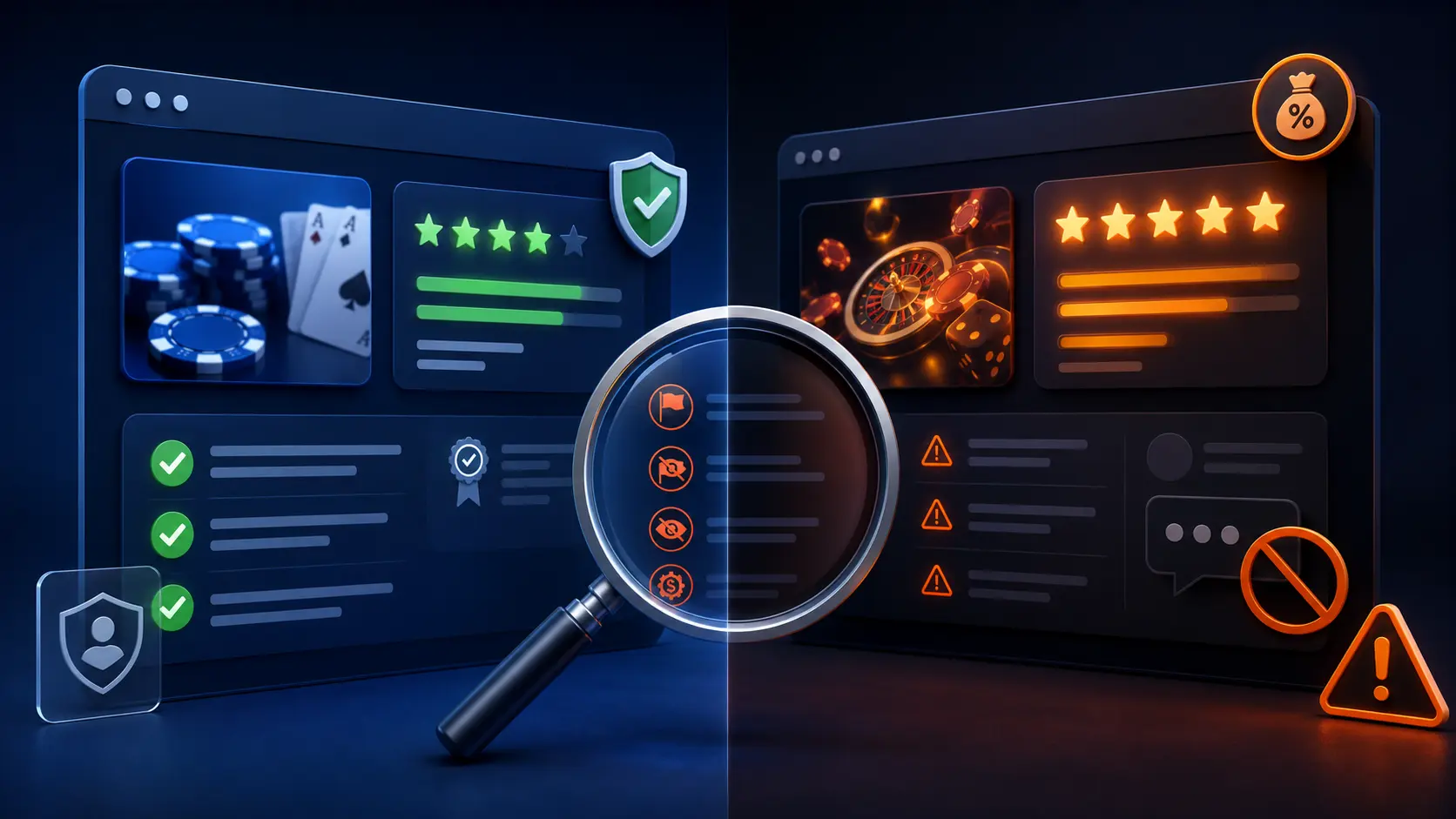 What Actually Makes a Review Site Trustworthy?
A lot of platforms these days lean harder into revenue than honesty, pushing casinos up their rankings simply because the affiliate payout is better — not because the casino earned it. For a regular player trying to figure out where to sign up, this makes things genuinely confusing. Here’s what separates the sites worth your time from the ones that aren’t.
1. They Explain How They Rank Things
A site you can actually trust won’t hide its methodology. It’ll tell you, in plain language, how it weighs licensing, payout speed, and whether the games are actually fair. The fine print matters too — wagering requirements, withdrawal limits, verification steps — and a good review site puts all of that front and center instead of burying it somewhere you’ll never scroll to.
2. The Reviews Aren’t Just Sales Pitches
Good reviewers aren’t afraid to say something negative about a big-name brand, even if that brand is paying them a commission. If a casino has a slow withdrawal process or a customer support team that ghosts people, a trustworthy site will say so. That kind of honesty is rare, and it’s exactly what makes a review worth reading in the first place.
3. Real Player Feedback, Not Just Marketing Copy
The best sites lean on their community. They let actual players leave actual comments about their actual experiences — good, bad, or ugly. That’s the kind of transparency you can’t fake, and it’s usually a sign that a site has built real trust over time rather than just buying traffic.
4. Content That Actually Gets Updated
Casino promotions and terms change constantly, so a review that’s two years old and never touched again isn’t worth much. Reliable sites keep their pages current — check for publish or update dates, and compare listed bonuses against what the casino is currently offering. If they line up, that’s a good sign.
 Why This Matters for Player Protection
Playing at the wrong casino can turn a fun night into a genuine headache — delayed payouts, rigged games, or worse, outright fraud. This is where solid review platforms earn their keep. Many maintain blacklists of operators known for withholding winnings or manipulating outcomes, which is incredibly useful information for anyone new to the space. If you’re looking for a starting point that’s been properly screened, you can find vetted and independently reviewed casinos compiled in one place.
Beyond just flagging bad actors, the better platforms also step in when disputes happen, acting as a go-between for players and operators. In that sense, they’re doing more than comparing bonuses — they’re functioning as actual consumer advocates.
Spotting a Fake Review Site
Some warning signs are easy to miss if you’re not looking for them:
- Every single casino gets a glowing score. If nothing ever gets criticized, that’s not objectivity — that’s a red flag.
- The writing sounds like an ad. Vague praise and buzzwords usually mean the site cares more about clicks than accuracy.
- No mention of licensing. A serious review always names the regulator behind a casino’s license.
- Comments are switched off. Sites confident in their reviews usually welcome player feedback instead of hiding from it.
 Let’s Talk About Affiliate Links Honestly
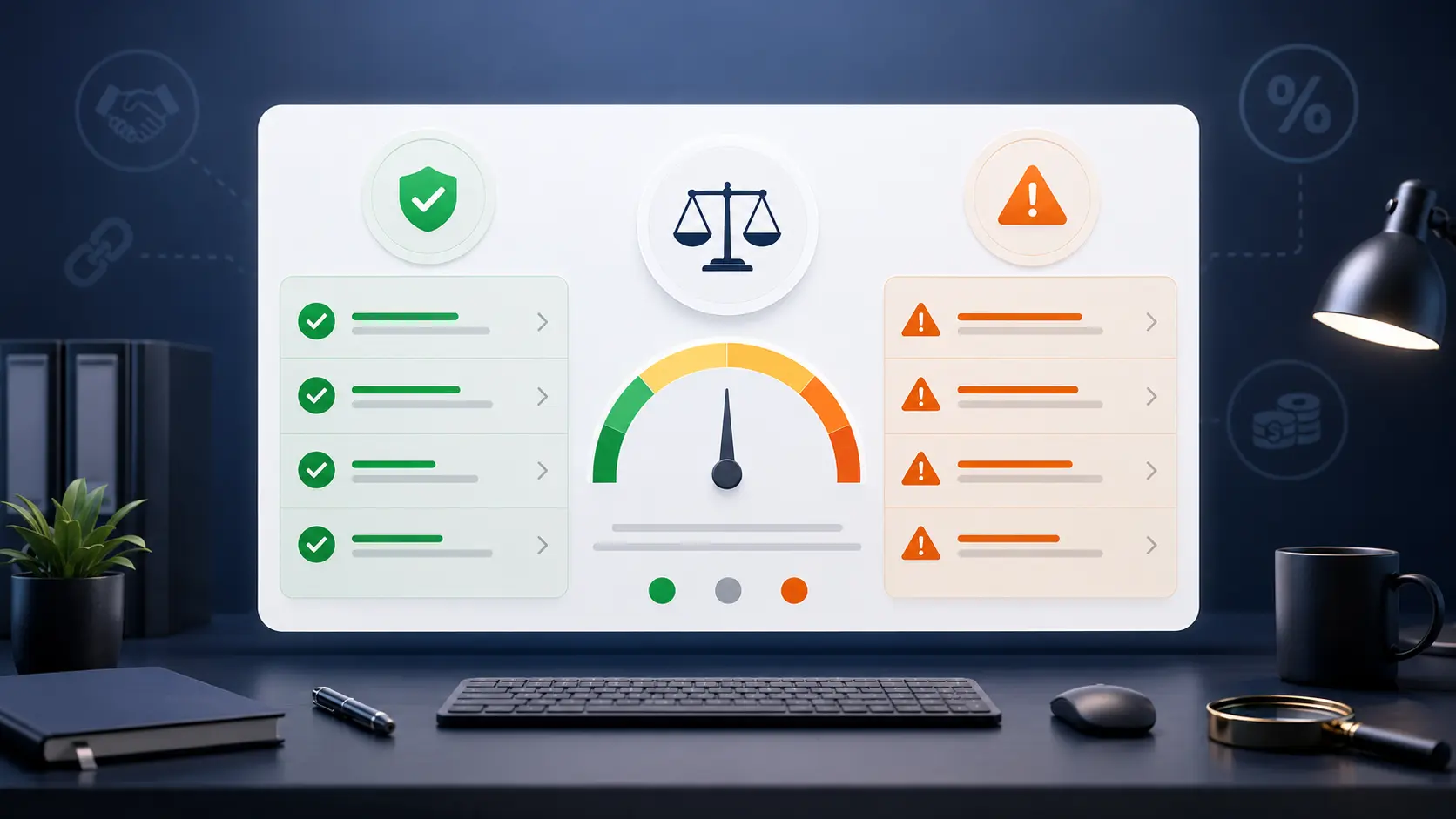
Most review sites, including the good ones, run on affiliate commissions — they get paid when someone signs up through their link. That’s not automatically a bad thing. What matters is whether the site is upfront about it and still prioritizes honest reviews over easy money. The trustworthy ones will tell you exactly how they make money, usually in a disclaimer somewhere on the page.
There’s actually a bit of a silver lining here too. Casinos that treat players badly tend to get dropped from these review lists eventually, because no reputable site wants to keep sending traffic to an operator that’s going to burn its readers. Long-term, that pressure benefits players more than it hurts them.
 Where to Actually Start Looking
If you’re trying to figure out which casino is worth your time — or which bonus is actually worth claiming — it helps to start from a source that’s already done the vetting. You can browse in-depth casino reviews covering licensing, payout speed, and game fairness across a wide range of operators, or check out the latest casino bonus offers to compare current promotions before you commit to signing up anywhere.
Building a Safer Industry, One Honest Review at a Time
Review sites that actually take their job seriously end up doing more than just helping individual players — they push the whole industry toward better behavior. Regulators have started paying closer attention to misleading affiliate marketing too, which only reinforces how much this matters.
Bad, dishonest reviews don’t just steer players wrong. They damage the credibility of the entire industry. In a space where slick marketing can easily disguise a shady operation, honest and independent reviews matter more than ever.
Whether you play casually once in a while or you’re deep into this world, it’s always worth reading a few independent reviews before you deposit anywhere. You might even stumble onto a genuinely great deal in the process.